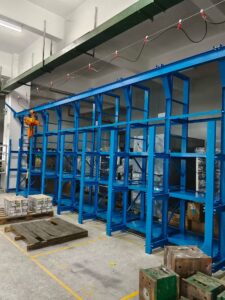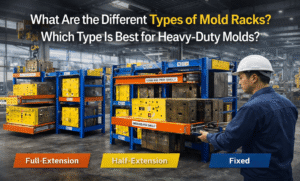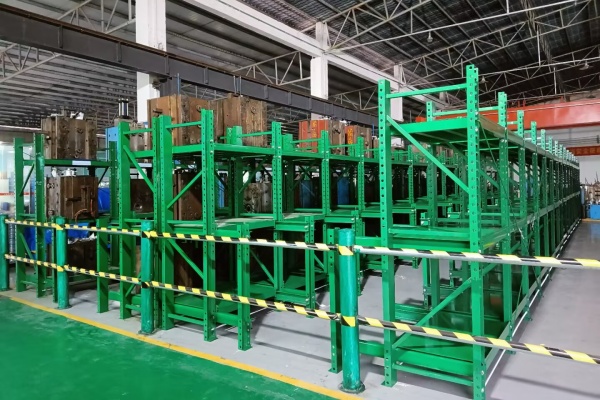
Storing heavy molds is a difficult task. They take up space, are hard to access, and can create safety risks. This disorganization wastes time and can damage your expensive equipment.
A mold rack is a specialized industrial shelving system designed to safely store heavy molds. It is essential for factories because it organizes storage, saves valuable floor space, improves worker safety, and allows for quick and easy access to specific molds, boosting production efficiency.
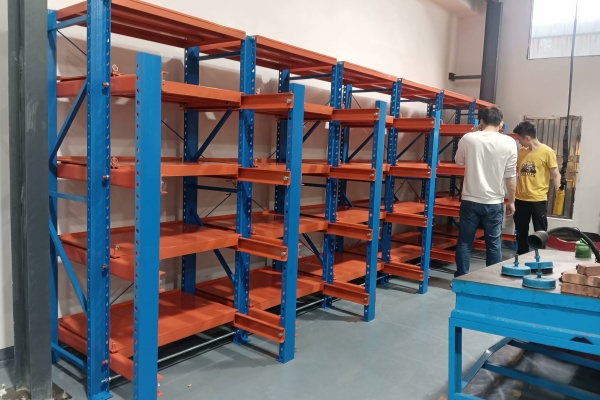
A mold rack seems like a simple piece of equipment, but it can completely change how your workshop operates. We have seen firsthand how it transforms a cluttered, inefficient space into a streamlined and safe environment. But how does it solve the everyday problems you face with mold storage? It’s about more than just putting things on a shelf. Let's look at the specific challenges that a good mold rack system can eliminate, helping you understand its true value for your business.
What Problems Can a Mold Rack Solve in Daily Mold Storage and Handling?
Molds are often left all over the factory floor. Finding the right one becomes a slow and frustrating process for your team. This chaos leads to production delays and potential mold damage.
A mold rack solves major problems like wasted floor space, inefficient mold retrieval, and serious safety risks. It provides organized, vertical storage, preventing damage to expensive molds and reducing the chance of worker injury. This system streamlines your workflow and cuts down on search time.
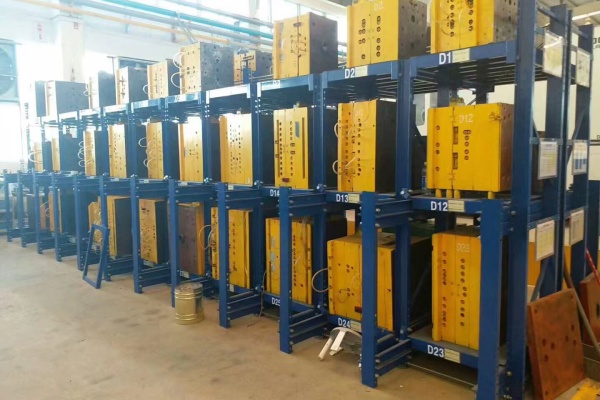
Let's dive deeper into the specific ways a mold rack can transform your daily operations. Over my years in this industry, I've visited hundreds of workshops, and the challenges are always the same. Molds are the heart of production, but they often cause the biggest headaches when it comes to storage and handling. A proper mold rack isn't just a purchase; it's an investment in solving these core problems. We design these racks based on the size, weight, and layout of a customer's molds and space because we know a one-size-fits-all approach doesn't work. Let's break down the solutions one by one.
Maximizing Floor Space
In any factory, floor space is one of the most valuable resources. Every square meter should be used for production, not for cluttered storage. When heavy molds are stored on the floor or on pallets, they consume a huge amount of this precious space. I once visited a client whose workshop floor was like a maze, with molds blocking pathways and making it hard to move around. This is not only inefficient but also dangerous. A mold rack solves this problem by using vertical space. Instead of spreading molds out across the floor, you stack them safely upwards. A standard mold rack can store multiple heavy molds in the same footprint that one or two molds would occupy on the floor. This immediately frees up area for new machinery, wider and safer aisles for forklifts, or simply a more organized workspace.
| Storage Method | Space Efficiency | Accessibility |
|---|---|---|
| Floor Storage | Very Low | Poor, requires moving other molds |
| Pallet Storage | Low | Moderate, requires forklift |
| Mold Rack | Very High | Excellent, direct access to each mold |
By going vertical, you are essentially multiplying your available storage area without needing to expand your building. It’s the smartest way to reclaim your factory floor and dedicate it to what matters most: production.
Improving Worker Safety
Handling heavy molds is one of the most hazardous jobs in a workshop. A single mold can weigh hundreds or even thousands of pounds. Lifting these objects from the floor manually is a primary cause of serious back injuries and other strains. I've heard too many stories of near-misses and accidents caused by improper mold handling. A drawer-type mold rack is specifically designed to eliminate this risk. Each mold sits on a sturdy, extendable drawer. To retrieve a mold, a worker simply pulls the drawer out. This presents the mold in an open position, ready to be lifted from above by an overhead crane or hoist. There is no need for manual lifting from an awkward, low position. Furthermore, our mold racks are equipped with safety locks that prevent the drawers from sliding out accidentally or from more than one drawer being opened at a time, which ensures the rack remains stable. This system doesn't just prevent injuries; it creates a safer working environment and shows your team that you prioritize their well-being, which boosts morale and confidence.
Protecting Valuable Molds
Molds are not just heavy pieces of metal; they are precision-engineered tools that are extremely expensive. A complex mold can represent a massive investment for your company. Leaving these valuable assets on the factory floor is a huge risk. They can be accidentally hit by forklifts, dropped during transport, or get covered in dust and debris. Moisture from a concrete floor can also cause rust and corrosion over time, damaging the mold's delicate surfaces. Any damage can lead to costly repairs or, even worse, defects in your final products. A mold rack provides a dedicated and secure home for each mold. It keeps them off the ground, away from traffic and moisture. Each mold has its own compartment, so they don't bump against each other. By storing them properly, you protect them from damage, extend their operational life, and ensure the quality of your production remains high. It's like a secure garage for your most important tools, safeguarding your investment for years to come.
Boosting Efficiency and Reducing Downtime
In manufacturing, time is money. Every minute a machine sits idle during a mold changeover is a minute of lost production. The process of finding and retrieving the right mold is often a major source of this downtime. Imagine this scenario: a production run ends, and a machine operator needs to find the next mold. They have to search through a disorganized pile on the floor, move other molds out of the way, and then find the right lifting equipment. This entire process can take 30 minutes, an hour, or even longer. With an organized mold rack system, this changes completely. Each mold has a designated, labeled slot. The operator can walk directly to the correct location, slide out the drawer, and have the mold ready for the crane in just a few minutes. This simple change can reduce mold changeover times dramatically. Faster changeovers mean more uptime for your machines and higher overall productivity. The efficiency gain is immediate and directly impacts your bottom line, making a mold rack one of the best investments for improving your factory's output.
Conclusion
In short, a mold rack is an essential tool for any modern factory. It improves safety, protects your valuable molds, and makes your entire operation more efficient and profitable.