The challenge of maximizing space in a mold storage room is daunting for many. If you've ever faced difficulties in organizing your molds, you're not alone.
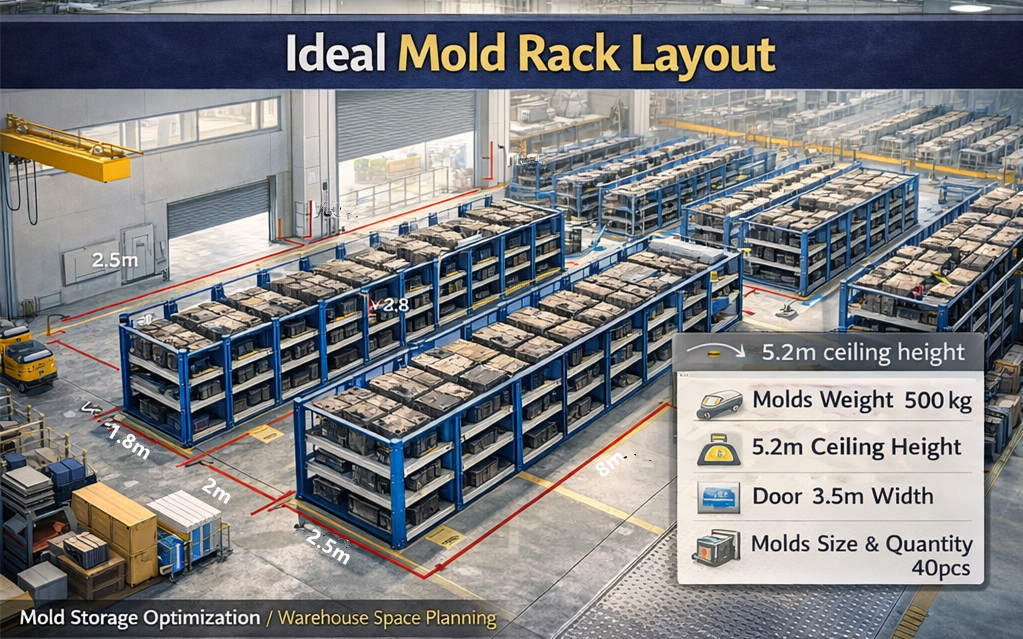
To design an efficient mold rack system, we need crucial details such as the room's dimensions, door positions, crane presence, and the molds' sizes, quantities, and weights.
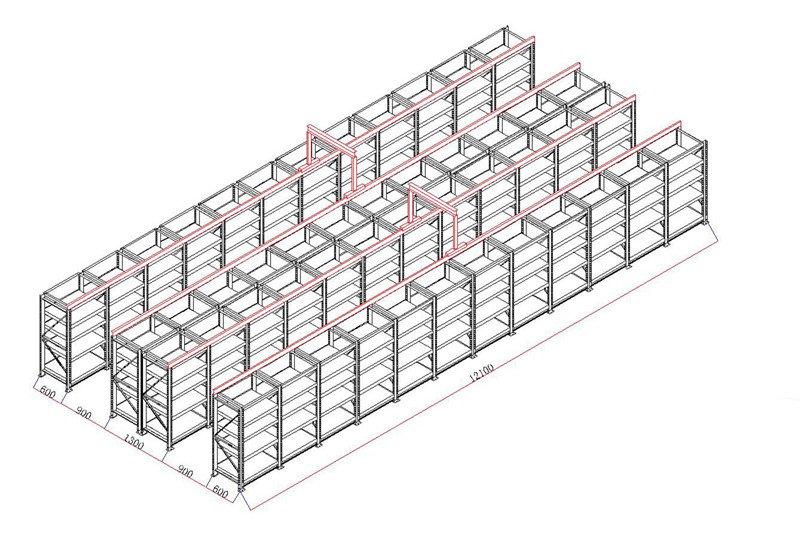
Knowing these factors helps us avoid costly mistakes. When we plan poorly, we waste space and resources. Proper planning ensures that we can retrieve molds easily, safeguarding our operations.
What Information Is Needed Before Designing a Mold Rack System for a Mold Warehouse?
Gathering the right information is key to successful mold rack planning. This process starts by taking accurate measurements of your space.
Before designing a mold rack system, it's essential to collect data on room dimensions, door locations, and whether a crane is available. Understanding the size, quantity, and weight of molds is also crucial.
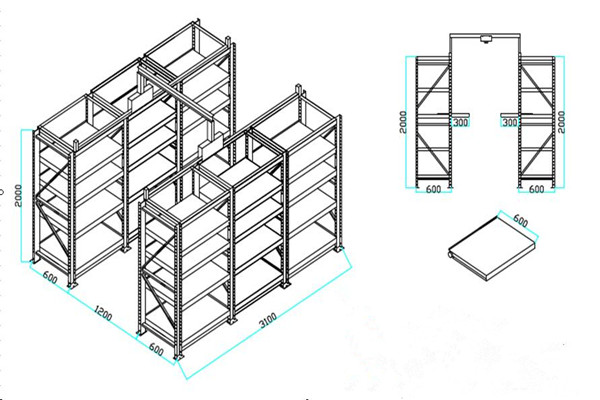
Once we have this information, we can create a layout that caters to our needs. For instance, if the space is narrow, we might prioritize vertical storage solutions. If the molds are heavy, we’ll need to consider sturdier racks. Additionally, knowing the door positions helps us design aisles that allow easy access.
The ideal mold rack size and layout depend on various factors. First, let's talk about space dimensions. Knowing the length, width, and height of your mold storage room is essential. These measurements let us determine how much mold can fit without overcrowding. If we ignore this, we may end up with molds stacked too high, making retrieval difficult and unsafe.
Next, door locations must also be taken into account. If the doors are not positioned well, it may restrict access to the molds. We might need to create pathways that allow for easy movement in and out of the room.
Then we have the crane conditions. If a crane is present, we need to ensure the layout accommodates it. This means leaving enough space for the crane to operate smoothly without interrupting the workflow.
Lastly, the molds themselves play a significant role in planning. Their sizes and weights determine what kind of rack system we should use. If we have large, heavy molds, we need durable racks that can support them without bending or breaking. Ignoring these details can lead to accidents and inefficiencies.
How Do Warehouse Dimensions and Crane Conditions Affect Mold Rack Planning?
Warehouse dimensions significantly influence how we set up our mold racks. Each inch matters when it comes to space utilization.
Warehouse dimensions and crane conditions directly impact mold rack planning, as they dictate the arrangement of racks, aisles, and access points for optimal operation.
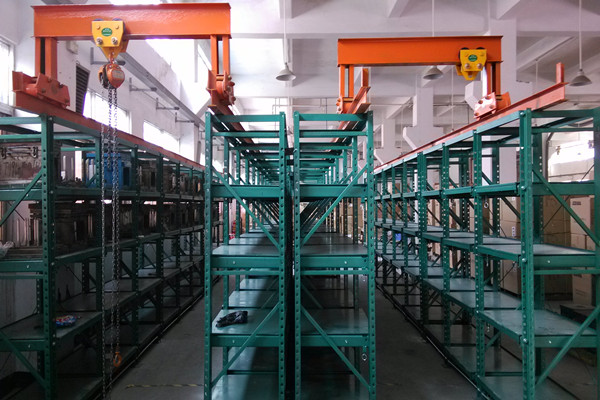
If our warehouse is small, we need to think vertically. Stackable mold racks can help maximize height, making it easier to store more molds in a limited area.
On the other hand, if we have a larger space, we can create more expansive aisles for easy mold access. This layout reduces the risk of accidents and ensures smooth operations.
Crane conditions also play a vital role. If we have a crane, we need to design the layout to allow the crane to move freely. This might require setting aside certain areas for the crane's operation, ensuring it doesn't interfere with the racks or aisles.
When planning a mold rack system, the warehouse dimensions act as the foundation upon which everything else is built. If we have limited space, it pushes us to think creatively. We might need to use taller racks or more compact layouts that still meet safety standards.
For instance, if the warehouse has high ceilings, we can utilize tall racks to store molds without taking up more floor space. This vertical approach can significantly increase storage capacity and keep the ground area clear.
Crane conditions also contribute to the layout. If a warehouse has a crane, we must account for its path in our design. This means leaving enough room for the crane to move safely without colliding with the racks.
Moreover, if the molds are heavy, we might need to reinforce the racks to ensure they can handle the load. Ignoring the weight can lead to rack failure, risking serious injuries and costly damages.
Why Should Mold Rack Systems Be Designed by Professional Engineers?
Trusting professionals with mold rack system design is vital. Their expertise ensures efficiency and safety in your warehouse.
Mold rack systems should be designed by professional engineers to guarantee safety, efficiency, and compliance with industry standards, preventing costly mistakes.

Professional engineers understand the intricacies involved in designing mold racks. They have the experience to assess weight distribution, optimize space, and ensure that safety measures are in place.
By working with engineers, we reduce the risk of problems down the line. They can help us avoid overcrowding, ensure proper access, and maintain structural integrity. This leads to smoother operations and ultimately saves time and money.
The role of professional engineers in designing mold rack systems cannot be overstated. Their training and knowledge allow them to consider all aspects of the design process. For example, they will look at the types of materials to use for the racks, ensuring they can withstand the weight of the molds.
Moreover, engineers will evaluate the warehouse's overall setup. They will ensure that the mold racks do not obstruct any pathways or crane operations, which is essential for maintaining a safe work environment.
Additionally, they are familiar with industry standards and regulations. This means they can design a system that complies with safety codes, reducing the risk of legal issues later on.
By involving professionals in the design process, we are investing in a system that works effectively and safely for years to come. This not only protects our business but also enhances our reputation in the industry.
Conclusion
In summary, careful planning and professional expertise are crucial for creating an effective mold rack system.