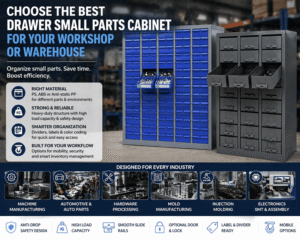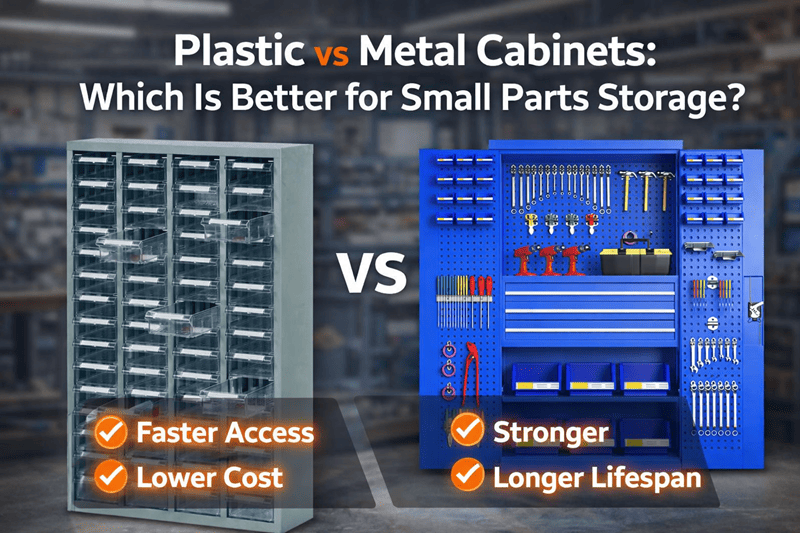
Organizing small parts can be a challenge for any workspace. Choosing the right storage solution is crucial for efficiency and productivity.
When it comes to organizing small parts, the type of cabinet you choose can make a big difference in your daily operations. Understanding the pros and cons of plastic and metal cabinets1 can help you find the best fit for your needs.
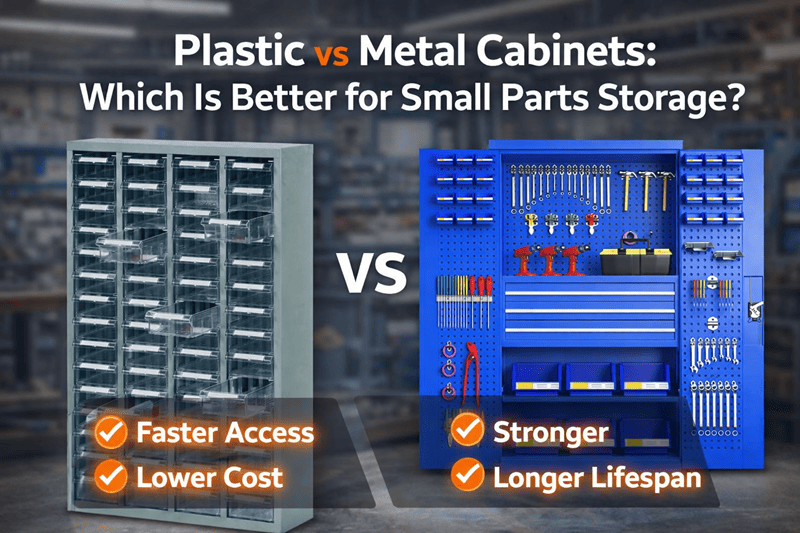
Finding the right storage solution is not just about space. It’s about how well that solution works for you every day. Let's dive into the details to compare plastic parts cabinets and metal cabinets1 to determine which is better for organizing your small parts.
Which Cabinet Saves More Time in Daily Operations?
Choosing the right cabinet can save you precious time in daily operations.
Plastic cabinets often feature transparent drawers, which allow for easy visibility of contents. This clear view helps users quickly locate items without rummaging through drawers. In contrast, metal cabinets1 may require you to open each drawer to find what you need, which can slow you down.
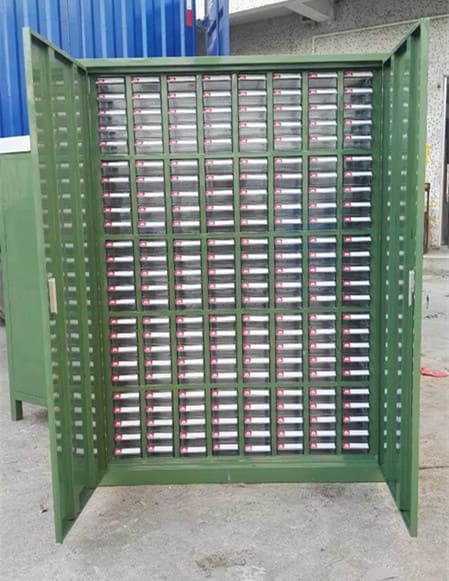
For me, the efficiency gained from using a plastic drawer cabinet is significant. I remember a time when I was constantly searching through my metal cabinet for specific parts. It was cumbersome and time-consuming. Switching to a plastic cabinet with transparent drawers changed everything. Now, I can see what I need at a glance.
In fast-paced environments like workshops or factories, every second counts. The convenience of quick access to items can enhance productivity. So, if your workspace thrives on efficiency, a plastic cabinet might be the better choice.
Plastic vs Metal Cabinets: Which One Lasts Longer in Industrial Use?
Durability is another key factor in the decision-making process.
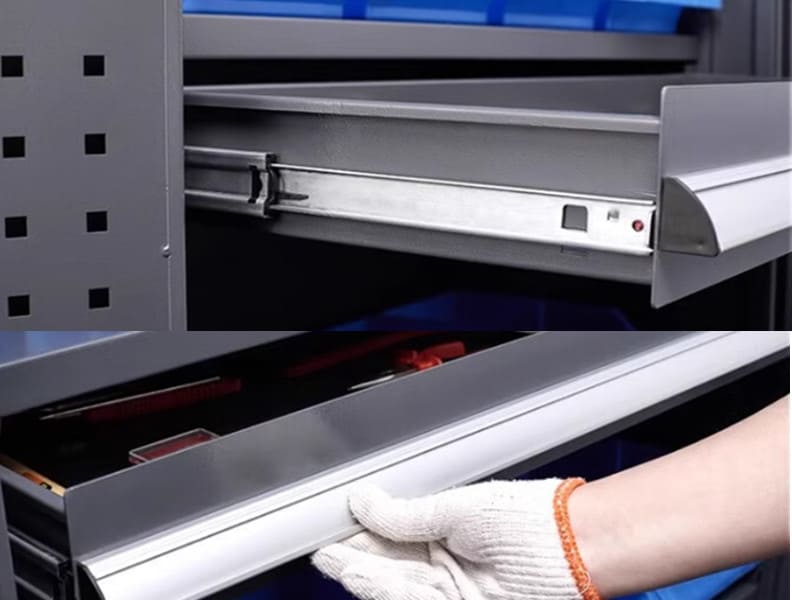
Metal cabinets are known for their toughness and long lifespan. They can withstand heavy use and offer excellent protection against physical damage. On the other hand, plastic cabinets2 can be more prone to cracking or fading, especially in harsh industrial environments.
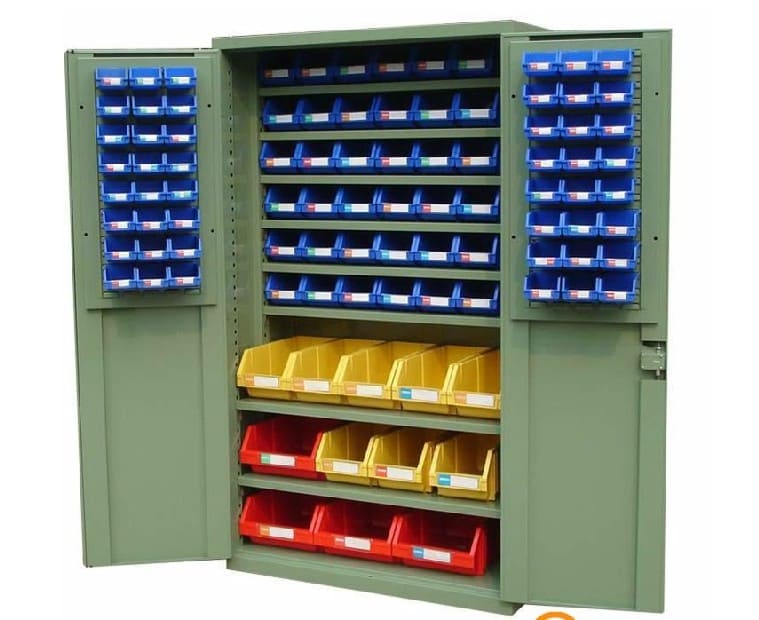
While metal cabinets1 have a longer lifespan, they come at a higher price point. I once experienced the durability of a metal cabinet firsthand when I accidentally dropped a heavy tool on it. The cabinet remained unscathed, showcasing its strength. However, my plastic cabinet didn’t fare as well in that scenario.
It's essential to assess the nature of your workspace. If you deal with heavy items or require long-term solutions, a metal cabinet may be worth the investment. But for lighter items and less demanding environments, a plastic cabinet could suffice.
Are Plastic Parts Cabinets Really More Cost-Effective Than Metal Ones?
Cost-effectiveness is a critical consideration when choosing between plastic and metal cabinets1.
Plastic cabinets tend to be more budget-friendly than metal cabinets1. They’re generally lighter and easier to move, which can save money on shipping and setup. However, their longevity might not match that of metal options. Over time, this can lead to additional replacements or repairs, potentially increasing overall costs.
In my experience, switching to a plastic drawer cabinet significantly improved cost performance. The lower upfront cost made it easier to allocate funds for other important projects. I also noticed that the ease of use resulted in fewer mistakes and misplacements, ultimately saving money in the long run.
When evaluating cost-effectiveness, consider both the initial investment and the potential long-term costs. If you’re on a tight budget and need quick solutions, plastic is the way to go. But if you can invest now for durability, metal may pay off in the future.
Conclusion
Ultimately, the right choice between plastic and metal cabinets1 depends on your specific needs, budget, and the nature of your workspace.