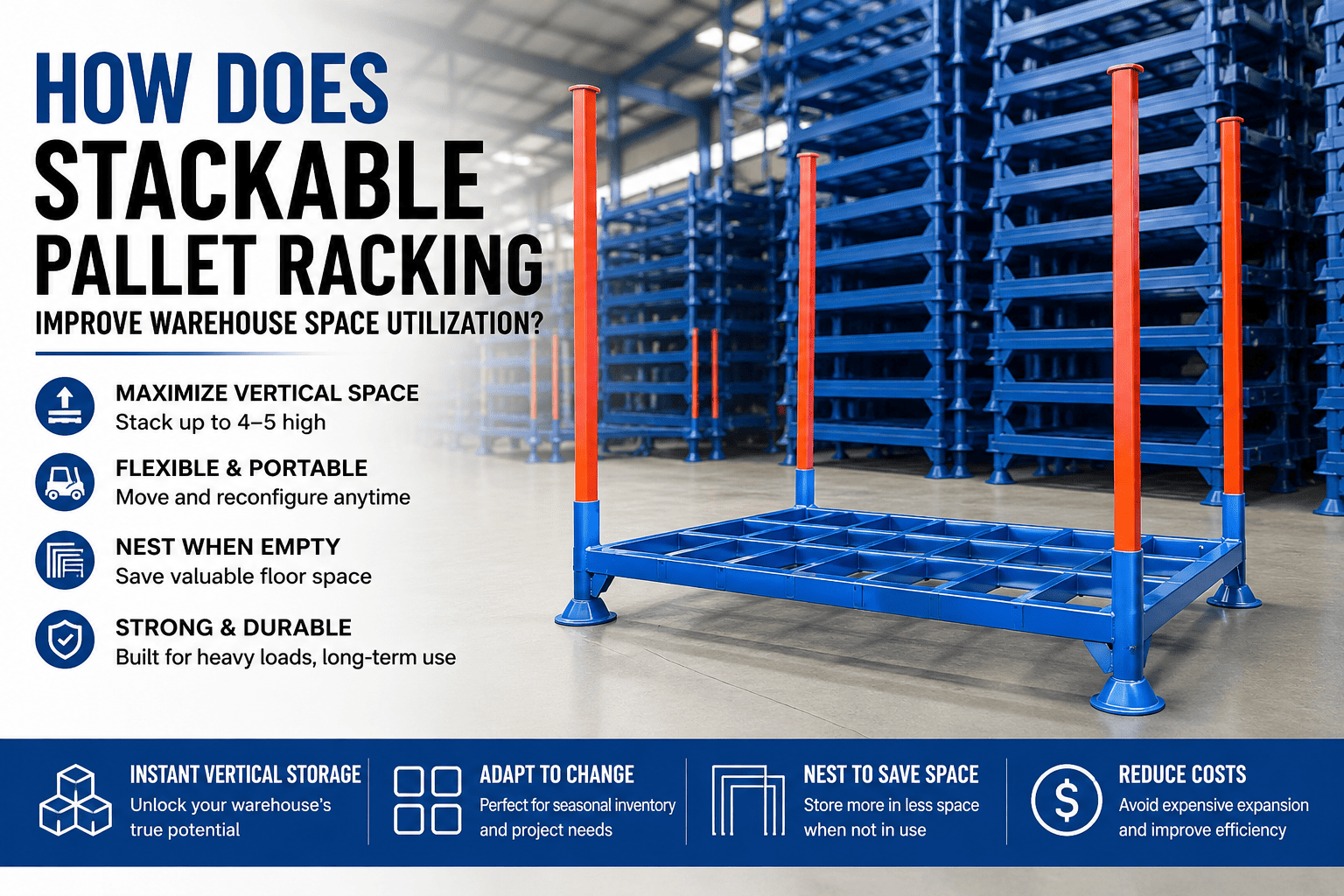
Running out of space but see empty air above your pallets? Expanding is expensive, and fixed racks lock you in. Stackable pallet racking unlocks your warehouse's true vertical potential.
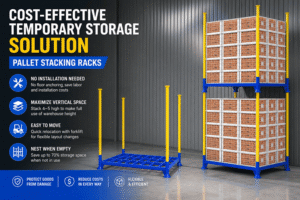
Stackable pallet racking improves space utilization by creating dense, vertical storage that is not fixed to the floor.1 These portable racks can be stacked several units high, moved with a forklift, and nested when empty2, maximizing both floor and vertical space dynamically.
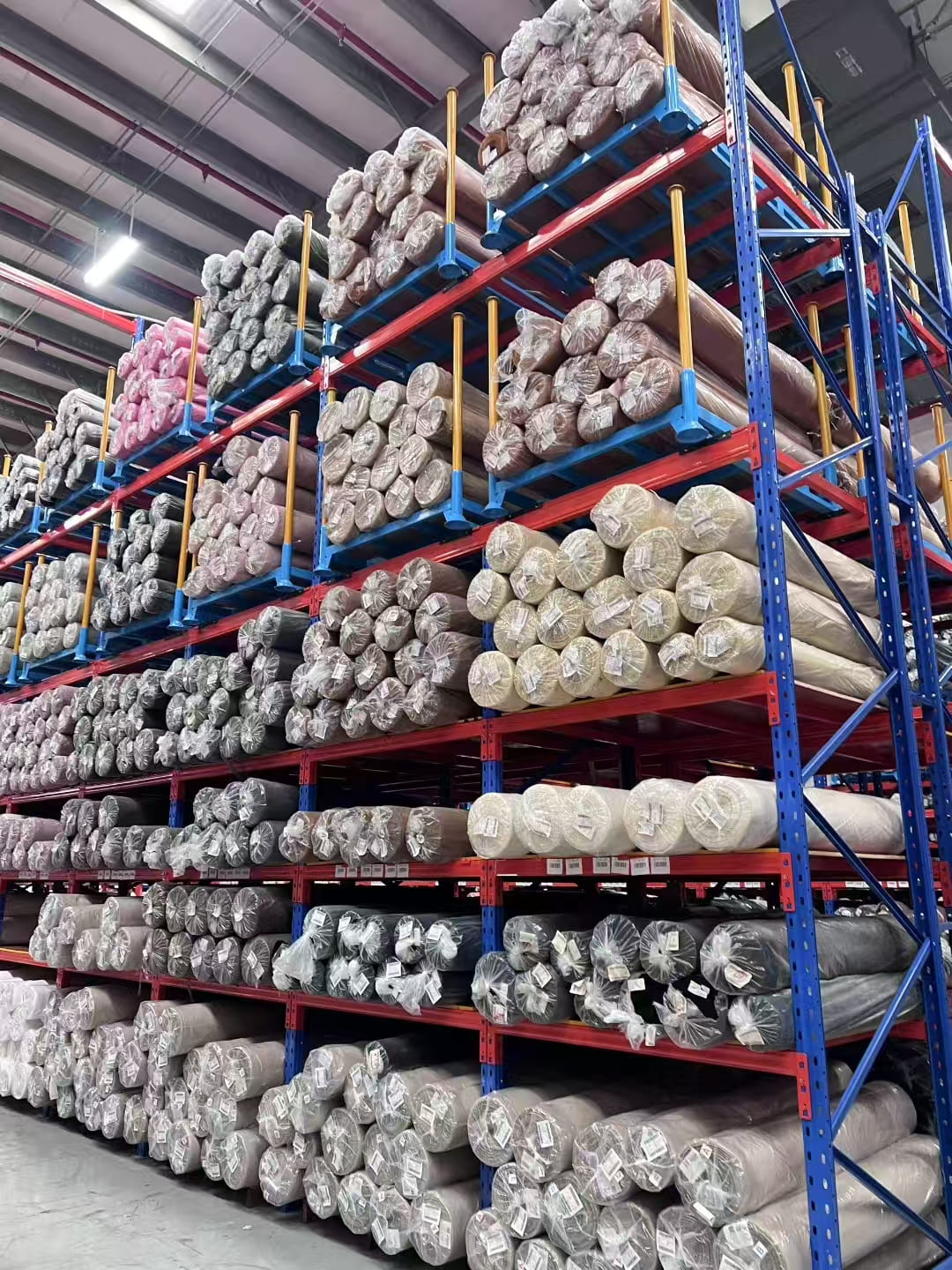
I've seen it countless times in my career: warehouses that feel completely full but are actually wasting their most valuable asset—vertical space. This isn't about poor management; it's often about using tools that are no longer right for the job. But before we dive into the solution, it's crucial to understand why this problem is so common in the first place. Let's break down the hidden inefficiencies plaguing so many operations.
Why do warehouses waste so much storage space?
Your warehouse layout feels permanent and rigid. When inventory changes, you're left with wasted pockets of space. This inflexibility costs you efficiency and money every single day.
Warehouses waste space due to rigid, fixed racking systems that can't adapt to changing inventory sizes or seasonal demands.3 This leads to poor vertical space utilization4, wide aisles for inefficient picking, and an inability to quickly reconfigure layouts for new operational needs.
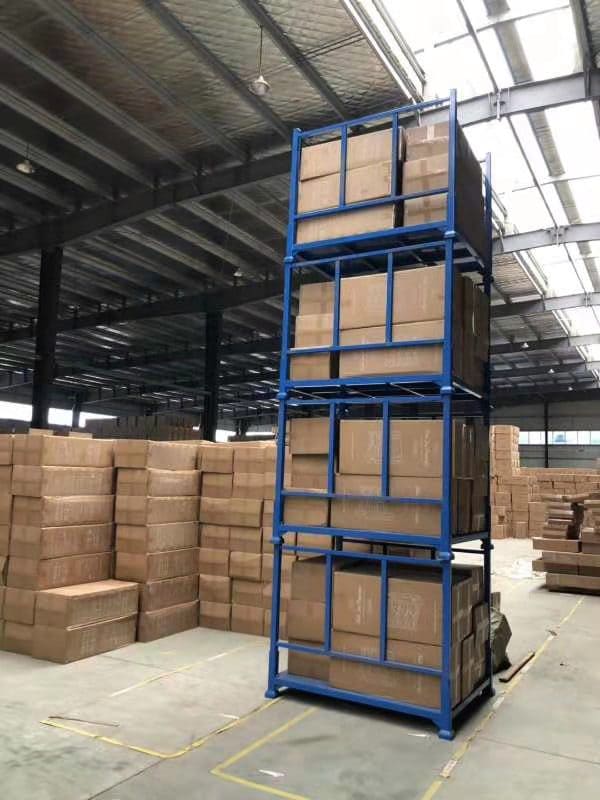
When I walk through a warehouse, I often look up. The amount of empty air I see tells me a lot about an operation's efficiency. The primary culprit is almost always a reliance on traditional, fixed pallet racking. While these systems have their place, they create a static environment in a dynamic world. Business needs change, but bolted-down racks do not. This inflexibility is the root cause of wasted space.
The Rigidity of Traditional Racking
Traditional pallet racks are designed and installed for a specific purpose, often for a uniform pallet size and weight.5 The problem is, inventory is rarely uniform forever. When you bring in a product that is shorter or oddly shaped, it still occupies the entire bay designed for a large, heavy pallet.6 This creates huge pockets of unused space within the rack itself. You're paying to heat, light, and maintain a cubic foot of air that holds nothing.
Ignoring the Vertical Dimension
Many operations, especially those without extensive racking, resort to floor stacking. You can only stack pallets on top of each other if the product and packaging can support the weight.7 For crushable or unstable goods, you're limited to a single level.8 All that space between the top of the pallet and the ceiling is completely wasted. It's like owning a ten-story building but only using the ground floor.
Inflexible Layouts and Workflow
The layout you designed five years ago might be completely wrong for your needs today. A fixed racking system makes it incredibly difficult and expensive to reconfigure your warehouse.9 You can't easily create temporary staging areas for large incoming shipments or quarantine zones for quality control. This leads to aisles getting clogged and products being stored in inefficient, out-of-the-way locations, which kills your team's productivity.
| Common Challenge | Impact of Fixed Racking |
|---|---|
| Seasonal Peaks | No easy way to add temporary capacity. Leads to messy, unsafe floor stacks. |
| Changing SKUs | New product sizes don't fit existing rack bays efficiently, wasting space. |
| Project-Based Work | Difficult to create dedicated staging areas without a major overhaul. |
| Slow-Moving Inventory | Ties up prime, fixed rack locations that could be used for faster-moving goods. |
How does stackable pallet racking maximize warehouse space?
You need to store more product, but a major warehouse overhaul isn't an option. Floor stacking is dangerous and inefficient. Imagine creating new rack positions anywhere, anytime you need them.
Stackable pallet racking maximizes space by creating portable, multi-level storage units. You can stack them up to 4-5 high to utilize vertical space10, move them easily with a forklift, and nest them when empty to reclaim floor area, offering unmatched flexibility.
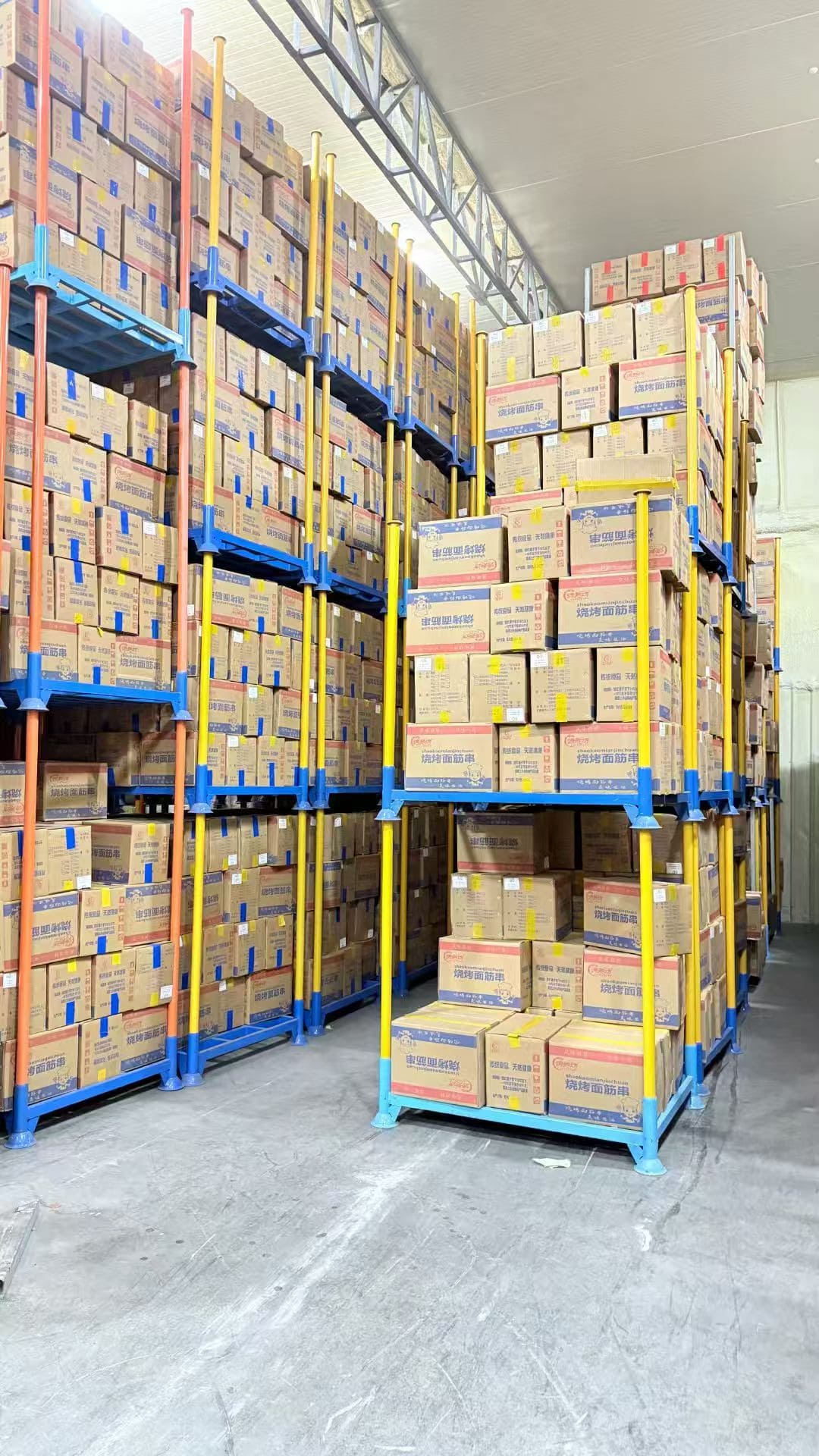
This is where I get excited because the solution is so simple and effective. Stackable pallet racks, also known as portable racks or stacking frames, fundamentally change the relationship you have with your warehouse space. Instead of being a permanent fixture, your storage becomes a flexible, modular asset that you control. They allow you to build dense storage blocks exactly where you need them, and just as importantly, remove them when you don't. This adaptability is the key to true space maximization.
Creating Instant Vertical Storage
The core function of a stackable rack is to create a sturdy frame around a pallet, allowing another to be stacked on top without damaging the product below.11 You are essentially creating a block of pallet racking anywhere you can drive a forklift. For goods that can't be block-stacked, this is a game-changer. Suddenly, you can go from one level of storage to four or five high, instantly multiplying your capacity in the same footprint. You're finally able to utilize that valuable vertical space you've been paying for.
Dynamic and Flexible Configurations
Think about preparing for a seasonal rush. With traditional racking, you're stuck. With stackable racks, you can pull them from their nested storage and build out a massive receiving or shipping area in a matter of hours. Once the rush is over, you can move them again to create space for a different project. This is perfect for handling temporary inventory, work-in-progress (WIP), or creating dedicated storage for a specific client's goods. You are no longer constrained by a fixed layout; you can adapt your warehouse on the fly.
Nesting for Space Savings
This is a benefit that is often overlooked but provides huge value. What happens when a traditional rack bay is empty? It still takes up the same amount of floor space. When stackable racks are not in use, their corner posts can often be removed, allowing the bases to "nest" inside one another. A stack of 10-15 nested racks can take up the same footprint as a single pallet.12 This means you can store your excess capacity in a tiny corner, freeing up valuable floor space for production or other operations.
| Feature | Benefit for Space Utilization |
|---|---|
| Vertical Stacking | Multiplies storage capacity on the same floor footprint. |
| Portability | Create storage areas anywhere, anytime. No installation required. |
| Modularity | Build custom-sized storage blocks to fit specific product loads. |
| Nesting | Frees up floor space when racks are not in use. |
How to Choose the Right Stackable Pallet Racking for Your Warehouse?
Ready to embrace flexible storage but overwhelmed by the options? Choosing the wrong stack rack can be a costly mistake. Let's simplify the selection process with a few key questions.
Choose the right stackable pallet racking by first defining your load capacity and size requirements. Then, consider the base style (e.g., wire mesh, steel deck) and finish (powder-coated, galvanized). Finally, ensure the design is compatible with your forklifts and operational workflow.
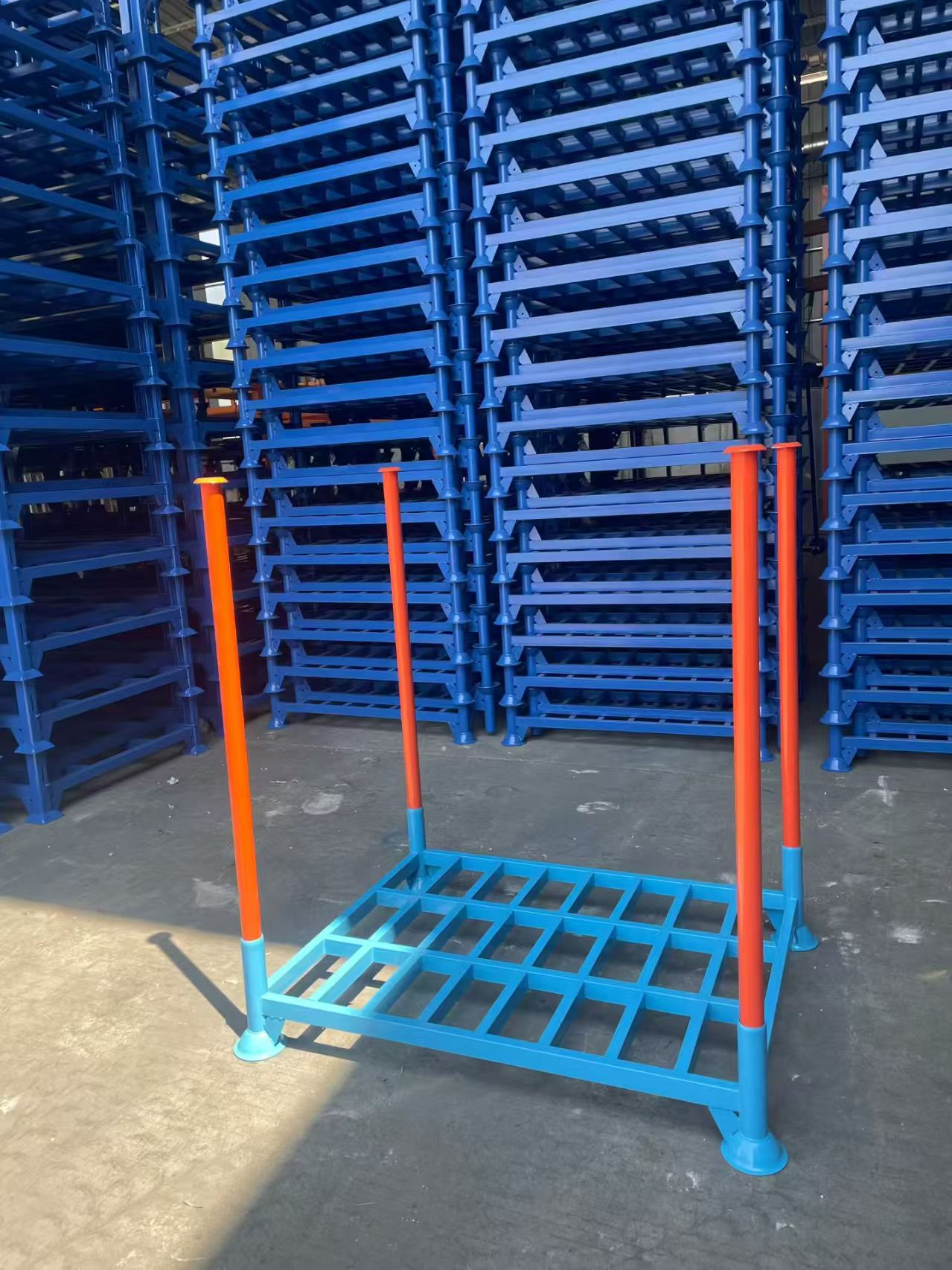
As a manufacturer, we've helped hundreds of clients select the perfect stackable rack for their unique needs. The good news is that it's not as complicated as it seems. By focusing on a few key variables related to your product, your environment, and your process, you can confidently choose a solution that will be safe, efficient, and durable. Getting this right from the start ensures you get the maximum return on your investment. Let's walk through the decision-making process I use with my own customers.
Assessing Your Load and Product
This is the most critical step. You must know the maximum weight of the pallets you intend to store. Always choose a rack with a capacity that comfortably exceeds your heaviest load—never cut corners on safety. Next, measure your typical pallet dimensions (length, width, and height). The stack rack's internal dimensions should provide a snug but accessible fit. Also, consider the nature of your product. If you store small boxes or items with uneven bottoms, you'll need a different base than if you're just storing standard wooden pallets.
Matching the Rack to Your Environment
Where will these racks be used? For a standard, dry warehouse, a durable powder-coated finish is perfectly fine. It provides good protection against scratches and minor impacts. However, if you plan to use the racks in a cold storage facility, a freezer, or even outdoors, you must upgrade. A hot-dip galvanized finish provides superior protection against rust and corrosion caused by moisture and temperature fluctuations. Making the right choice here will dramatically extend the life of your racks.
Key Design Features to Consider
Finally, look at the specific features that will make the racks easier for your team to use. Removable posts are essential for nesting and saving space. The style of the base is also important. An open-frame base is fine for full pallets, but a wire mesh or steel deck provides more versatility for storing smaller items or cartons directly on the rack.
| Feature | Key Question to Ask | Common Options |
|---|---|---|
| Capacity | What is my heaviest pallet load? | 2,000 lbs, 4,000 lbs, etc. |
| Size | What are the dimensions of my pallets? | 48"x40", 48"x48", Custom |
| Finish | Will the racks be exposed to moisture? | Powder Coat (Indoor), Galvanized (Outdoor/Cold) |
| Base Style | What am I storing on the rack? | Open Frame, Wire Mesh Deck, Steel Deck |
| Portability | Do I need to save space when empty? | Removable Posts for Nesting |
Conclusion
Stackable pallet racking transforms unused vertical air into valuable, flexible storage, boosting efficiency and saving you money without the need for expensive expansion. It's a simple, powerful solution.
"[PDF] Chapter 16. Storage Models - Logistics Systems Design", https://www2.isye.gatech.edu/~mgoetsch/cali/logistics_systems_design/storage_models/storage_models.pdf. A warehouse design or logistics engineering source supports that storage density can be increased by using vertical cube space and non-fixed storage equipment, though it may not evaluate this specific rack type in all warehouse contexts. Evidence role: general_support; source type: education. Supports: Stackable pallet racking improves space utilization by using vertical storage without permanent floor-fixed installation.. Scope note: Contextual support for the storage principle, not direct proof of performance in every facility. ↩
"New Industrial Stack Racks for Warehouse Storage", https://www.americansurplus.com/new-equipment/stack-racks/?srsltid=AfmBOorT8awkr5CN0ITo8yp1kher4lqfkA_mVMRg7vokSciCVJL1DPMR. A material-handling glossary or industry standards source defines stack racks as portable units that can be stacked, handled by lift trucks, and stored compactly when empty; this supports the equipment description rather than a specific rated stacking height. Evidence role: definition; source type: institution. Supports: Portable stack racks can be stacked, moved by forklift, and nested or compactly stored when empty.. Scope note: Definitions typically describe capabilities generally and do not establish safe stacking limits for a specific rack model. ↩
"[PDF] WAREHOUSE & DISTRIBUTION SCIENCE Release 0.94", https://www.scl.gatech.edu/sites/default/files/downloads/gtscl-warehouse_science_bartholdi.pdf. A warehouse operations or logistics planning source explains that storage systems must be matched to SKU profiles and demand variability; this supports the claim that fixed layouts can create inefficiencies when inventory characteristics change. Evidence role: expert_consensus; source type: education. Supports: Rigid fixed racking can waste space when inventory sizes or seasonal demand patterns change.. Scope note: The source is likely to support the general planning principle rather than quantify waste from fixed racking alone. ↩
"[PPT] 21st Century Purchasing", https://myweb.ecu.edu/krosj/CH12.ppt. A warehousing or facilities-planning source identifies cube utilization, including vertical storage volume, as a key measure of warehouse space efficiency; this supports the relevance of vertical-space use to storage performance. Evidence role: definition; source type: education. Supports: Poor vertical space utilization is a recognized warehouse space-efficiency issue.. Scope note: This supports the concept of vertical utilization, not the magnitude of unused space in the article’s example. ↩
"Industrial Steel Storage Rack Safety: ANSI MH16.1-2023", https://blog.ansi.org/ansi/ansi-mh16-1-2023-industrial-steel-storage-racks/. A pallet-rack design standard or engineering source states that rack systems are designed around specified load dimensions, weights, and configurations, supporting the claim that conventional rack layouts are engineered for defined pallet characteristics. Evidence role: mechanism; source type: institution. Supports: Traditional pallet racks are designed for specified pallet sizes, load weights, and configurations.. Scope note: Design standards describe required design assumptions but do not imply that all traditional racks are inflexible in the same degree. ↩
"[PDF] Warehouse & Distribution Science", https://www2.isye.gatech.edu/~jjb/wh/book/editions/wh-sci-0.98.1.pdf. A warehouse slotting or storage-design source explains that mismatches between storage location dimensions and item cube create honeycombing or unused storage volume; this supports the mechanism behind wasted bay space. Evidence role: mechanism; source type: education. Supports: Products that do not match rack bay dimensions can leave unused storage volume within fixed locations.. Scope note: The support is conceptual and may not specifically use the article’s pallet-bay example. ↩
"1926.250 - General requirements for storage. - OSHA", http://www.osha.gov/laws-regs/regulations/standardnumber/1926/1926.250. Occupational safety and material-handling guidance states that stored materials must be stacked so they are stable and secure against collapse, supporting the requirement that loads and packaging be capable of bearing stacked weight. Evidence role: expert_consensus; source type: government. Supports: Pallets should only be stacked when the load and packaging can safely support the imposed weight.. Scope note: Safety guidance addresses stability and collapse prevention generally, not every product-specific packaging limit. ↩
"1926.250 - General requirements for storage. - OSHA", http://www.osha.gov/laws-regs/regulations/standardnumber/1926/1926.250. Material-handling safety guidance indicates that loads must be stacked in a stable manner and that unstable or crushable materials require controls to prevent collapse or damage, supporting the article’s caution about direct pallet stacking. Evidence role: general_support; source type: government. Supports: Crushable or unstable goods often cannot be safely direct-stacked without additional support.. Scope note: The source may support limiting or controlling stacks rather than mandating a single level in all cases. ↩
"[PDF] Warehouse Redesign of Facility Layout, Racking System and Item ...", https://digitalcommons.calpoly.edu/cgi/viewcontent.cgi?referer=&httpsredir=1&article=1001&context=imesp. A warehouse layout planning source discusses the cost and disruption associated with changing fixed storage infrastructure, supporting the claim that fixed racking reduces layout flexibility. Evidence role: expert_consensus; source type: education. Supports: Fixed racking systems can make warehouse reconfiguration more difficult and costly than movable storage systems.. Scope note: The degree of difficulty and expense varies by facility, rack type, and permitting requirements. ↩
"1926.250 - General requirements for storage. - OSHA", http://www.osha.gov/laws-regs/regulations/standardnumber/1926/1926.250. A stack-rack specification or safety reference can document that stackable racks are commonly designed for multi-level stacking, while safe height depends on the rack design, load rating, floor conditions, and applicable workplace rules. Evidence role: general_support; source type: institution. Supports: Stackable pallet racks are commonly used in multi-level stacks, with safe height determined by design and operating conditions.. Scope note: A general source should not be used to certify that all stackable pallet racks are safe at four or five levels. ↩
"1926.250 - General requirements for storage. - OSHA", http://www.osha.gov/laws-regs/regulations/standardnumber/1926/1926.250. A material-handling equipment reference describes stack racks as frames that support vertical stacking of loads that may not be suitable for direct block stacking, supporting the stated function of protecting lower goods from load pressure. Evidence role: definition; source type: institution. Supports: Stackable racks provide a frame that allows vertical stacking without placing the upper load directly on the product below.. Scope note: The source may describe the equipment function generally and not verify damage prevention for every product or load configuration. ↩
"New Industrial Stack Racks for Warehouse Storage", https://www.americansurplus.com/new-equipment/stack-racks/?srsltid=AfmBOoqPh00XgBO0SeR4RXJ3vt8mRJ3Pnbq3BnHsV3LzIATNTQHNTn0z. A technical specification or material-handling reference on nesting stack racks can support that removable-post racks reduce empty storage footprint substantially, but the exact 10–15 count is model-dependent. Evidence role: statistic; source type: institution. Supports: Nested stack racks can store multiple empty units in approximately one pallet footprint, with the exact count varying by design.. Scope note: The numerical nesting ratio depends on rack dimensions, post design, and base geometry. ↩