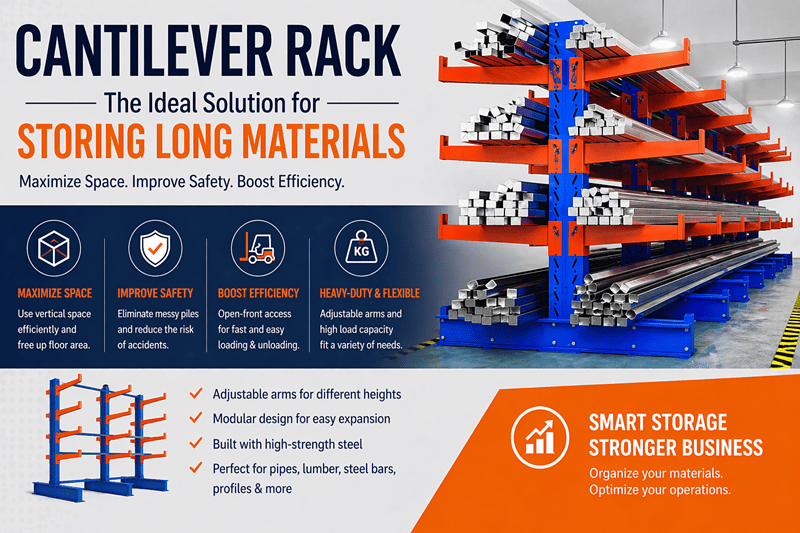
What Is a Cantilever Rack and Why Is It Ideal for Storing Long Materials? Struggling with long, bulky items cluttering your floor? This disorganization wastes space and creates safety risks. Cantilever racks1 provide a simple, organized solution to reclaim your warehouse.
A cantilever rack is a storage system designed with arms extending from a central column, creating unobstructed horizontal levels. It is perfect for long materials2 like pipes, lumber, or steel bars because its open-front design allows easy forklift access3, preventing damage and speeding up handling.
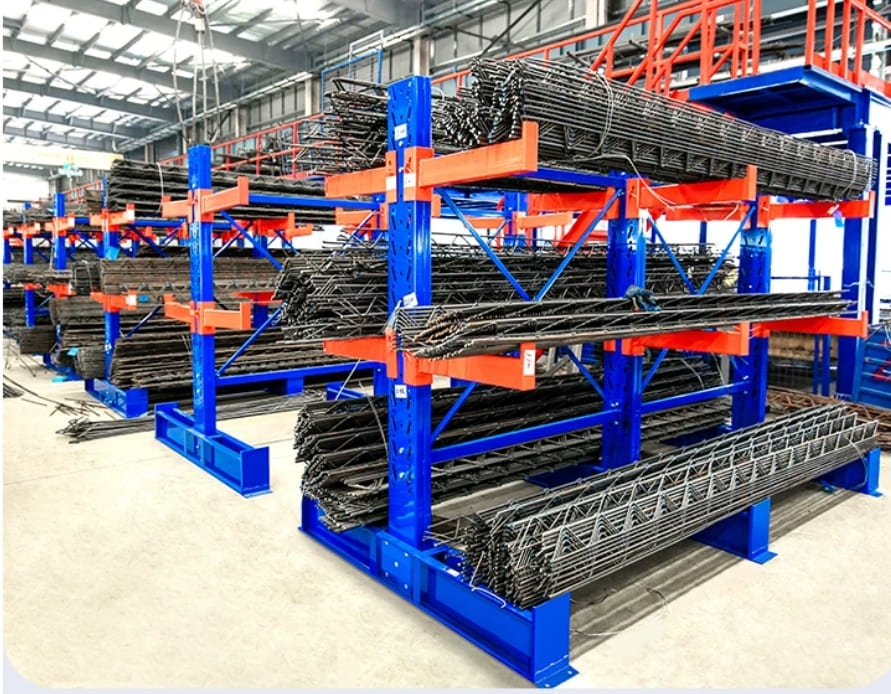
Now you have a basic idea of what a cantilever rack is. But to really understand its value, we first need to look at the common problems warehouses face when they try to store long and awkward items. Let's explore why these materials are such a headache without the right equipment.
Why Is Storing Long Materials Like Pipes and Profiles So Challenging in Warehouses?
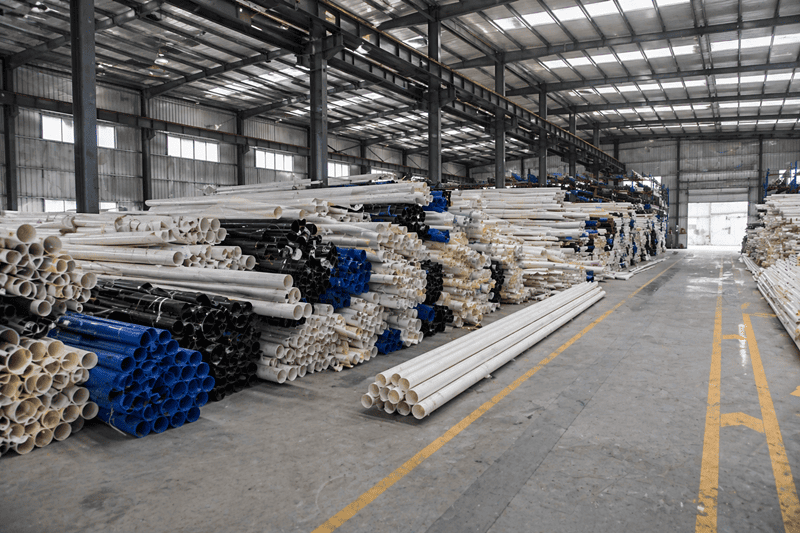
Long materials piled on the floor create a messy, unsafe workspace. Finding and moving the right stock becomes a slow and frustrating job. There is a much better way to manage this.
Storing long materials2 is challenging because they don’t fit into standard pallet racks. Floor stacking wastes vertical space, risks product damage from bending or crushing, and makes handling slow and unsafe. This creates a major bottleneck that hurts overall productivity.
In my years of designing warehouse solutions4, I've seen the same issues over and over again. When purchasing managers or warehouse operators don't have the right system, they face a consistent set of problems that directly impact their bottom line. It's not just about being messy; it's about being inefficient and unsafe. I remember visiting a metal fabrication workshop where workers had to move five different bundles of steel bars just to get to the one they needed at the bottom of the pile. This wasted so much time and energy every single day. These challenges can be broken down into a few key areas that every manager should understand.
The Core Problems of Improper Storage
The biggest issue is wasted space. When you stack pipes or lumber on the floor, you can only go so high before the pile becomes unstable. You lose all the valuable vertical storage space above it. Safety is another huge concern. Unstable piles can shift or fall, creating serious hazards for your team. This also leads to product damage5, as items at the bottom of the stack can get crushed, bent, or scratched, making them unusable. Finally, there's the hit to operational efficiency6. Finding and retrieving a specific item from a disorganized pile is a slow, labor-intensive process that kills productivity.
| Storage Method | Space Utilization | Safety | Product Protection | Accessibility |
|---|---|---|---|---|
| Floor Stacking | Very Poor | Low | Poor | Very Difficult |
| Standard Pallet Racking | Not Applicable | N/A | N/A | Not Possible |
| Cantilever Racking | Excellent | High | Excellent | Very Easy |
As you can see, traditional methods just don't work for these types of materials. They create more problems than they solve, which is why a specialized solution is so important.
How Do Cantilever Racks Improve Space Utilization, Safety, and Picking Efficiency?
Is your warehouse feeling smaller as your inventory of long items grows? Poor storage methods create clutter and increase the risk of accidents. Cantilever racks1 help you reclaim your space and create a safer workflow.
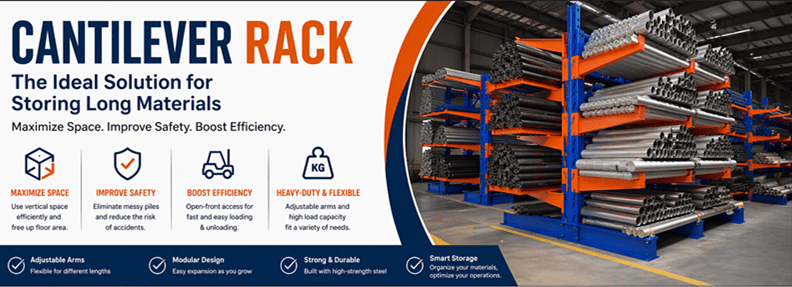
Cantilever racks1 improve space use by storing items vertically, opening up valuable floor area. Safety is boosted by eliminating unstable piles. The open-front design lets forklifts load and unload quickly, which drastically improves picking efficiency7 and reduces labor costs.
Once our clients switch to a cantilever system, the difference is immediate. It’s like turning a cluttered garage into a perfectly organized workshop. By moving inventory off the floor and into a structured vertical system, you instantly solve the three biggest challenges we just discussed. I often tell my clients that a good racking system doesn't just store things—it organizes your entire operation. It turns a chaotic area into a productive one. The benefits aren't just theoretical; they show up in real-world metrics like reduced picking times, fewer workplace accidents, and more available square footage for other operations. Let’s break down exactly how these improvements happen.
Three Key Advantages of Cantilever Racks
First, maximized space utilization is achieved by using vertical height. Instead of a wide, low pile on the floor, you can store materials on multiple levels reaching toward the ceiling. This can easily double or triple your storage capacity in the same footprint. Second, enhanced safety comes from having every item securely placed on a sturdy steel arm. This eliminates the risk of falling piles, keeps aisles clear for traffic, and provides a designated home for every piece of inventory. Third, increased picking efficiency7 is a direct result of the open-front design. There are no vertical posts in the way, so forklifts have direct access to any item on the rack. This means drivers can pick or place a load in a single, quick motion.
| Metric | Before Cantilever Racks | After Cantilever Racks |
|---|---|---|
| Storage Density | Low (Horizontal Spread) | High (Vertical Storage) |
| Picking Time per Item | 10-15 minutes | 1-2 minutes |
| Product Damage Rate | 5-10% | <1% |
| Safety Incidents | Frequent | Rare |
This simple change transforms how a warehouse functions, turning a slow and dangerous task into a fast and safe one.
What Features Make Cantilever Racking Systems Ideal for Flexible and Heavy-Duty Storage?
Do you need a storage solution that can handle heavy loads and adapt to your changing inventory? Fixed racking systems often can't handle variety. Cantilever racks1 give you the strength and flexibility you need.
Key features include adjustable arms8 that can be moved to fit different product heights. Their modular design allows for easy expansion. Made from high-strength steel, these racks support extremely heavy loads, making them perfect for lumber, steel bars, and pipes.
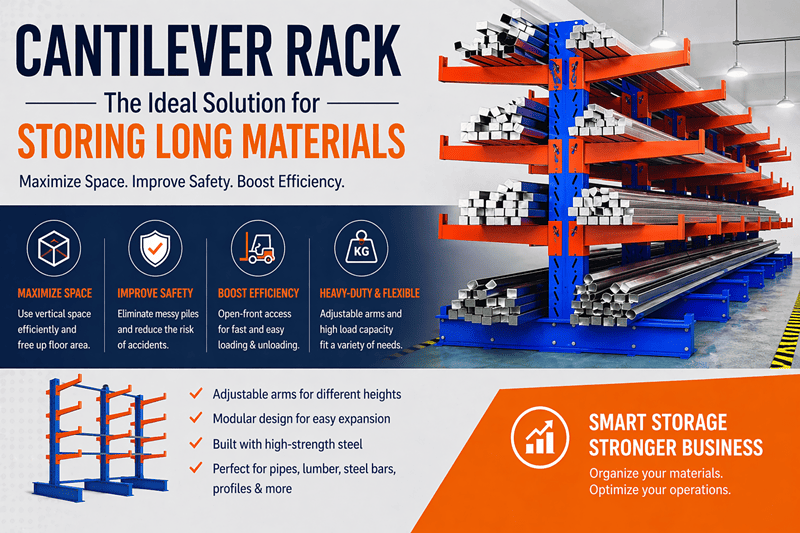
What I love about cantilever racks is their simple, brilliant design. The whole structure is based on the concept of a lever—just like an outstretched arm holding something. This simplicity is what makes it so strong and versatile. When we design a system for a client, we look at their specific inventory. Are they storing heavy steel I-beams or lighter PVC pipes? The system can be engineered for either. The flexibility of the design means it's not a one-size-fits-all product; it's a tailored solution. The core components are engineered for strength, and the adjustable features ensure the rack can evolve with your business needs.
Structural Components and Key Features
A cantilever rack is built from a few core parts that work together to provide stable, accessible storage.
- Base: This anchors the entire rack to the floor, providing stability and counterbalancing the load on the arms.
- Column (or Upright): The vertical tower that supports the arms. The height of the column determines how much vertical storage space you can use.
- Arms: These are the horizontal beams that extend from the column and hold the product. They can be straight or inclined to secure round items.
- Braces: These connect the columns, providing rigidity and stability to the entire rack structure, especially in long rows.
The true strength of the system lies in its features. The adjustable arms8 are critical. They can be bolted or clipped into place at different heights along the column, allowing you to change the spacing to accommodate different-sized loads. This means the same rack can store thin bundles one day and thick timber the next. The modular construction is another huge plus. You can start with a small system and easily add more columns and arms as your storage needs grow. This makes it a smart, long-term investment for any business.
| Component | Function | Key Benefit |
|---|---|---|
| Column | Provides vertical support for arms. | Maximizes use of warehouse height. |
| Arms | Hold the materials horizontally. | Provides open, unobstructed access. |
| Base | Anchors the rack and provides stability. | Ensures safety and load balance. |
| Bracing | Connects columns for lateral stability. | Creates a strong, rigid storage bay. |
Conclusion
Cantilever racks1 solve the challenge of storing long items by maximizing space, improving safety, and boosting efficiency. They are the ideal solution for heavy-duty, flexible storage needs.
Explore how cantilever racks can optimize your storage space and improve efficiency in your warehouse. ↩
Learn effective strategies for storing long materials to enhance organization and safety. ↩
Learn how easy forklift access can streamline operations and enhance productivity. ↩
Discover innovative warehouse solutions that can help you manage bulky items efficiently. ↩
Learn about the common causes of product damage in storage and how to prevent them. ↩
Explore methods to enhance operational efficiency in your warehouse storage processes. ↩
Discover the key factors that influence picking efficiency and how to optimize them. ↩
Explore the benefits of adjustable arms in cantilever racks for versatile storage solutions. ↩