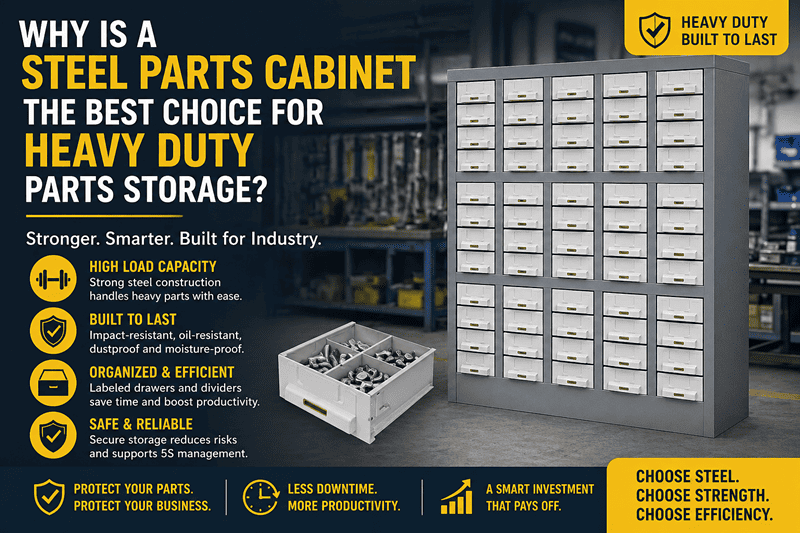
Why Is a Steel Parts Cabinet the Best Choice for Heavy Duty Parts Storage?Storing heavy parts is a constant challenge. Flimsy cabinets buckle under the weight, causing chaos. A steel parts cabinet offers the strength and security your workshop desperately needs.
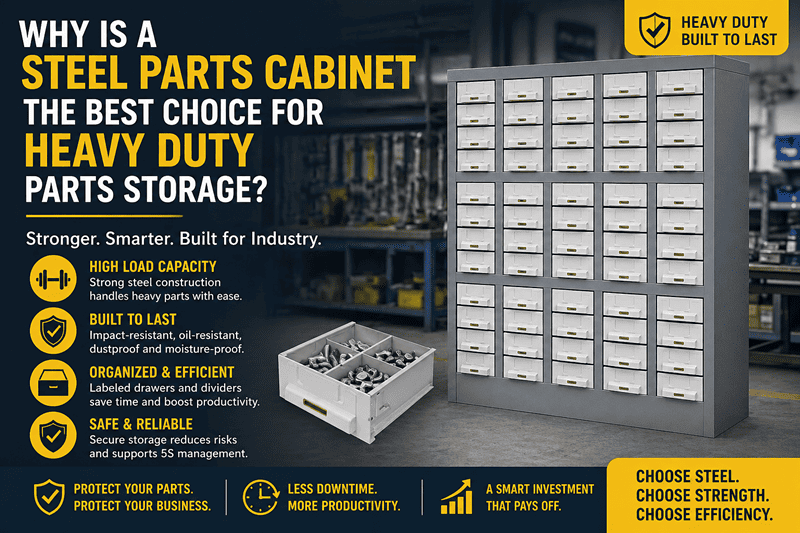
A steel parts cabinet is the best choice because of its high load capacity, impact resistance, and long lifespan. It keeps heavy parts secure, organized, and easy to find. This prevents costly damage and makes your workshop more efficient.
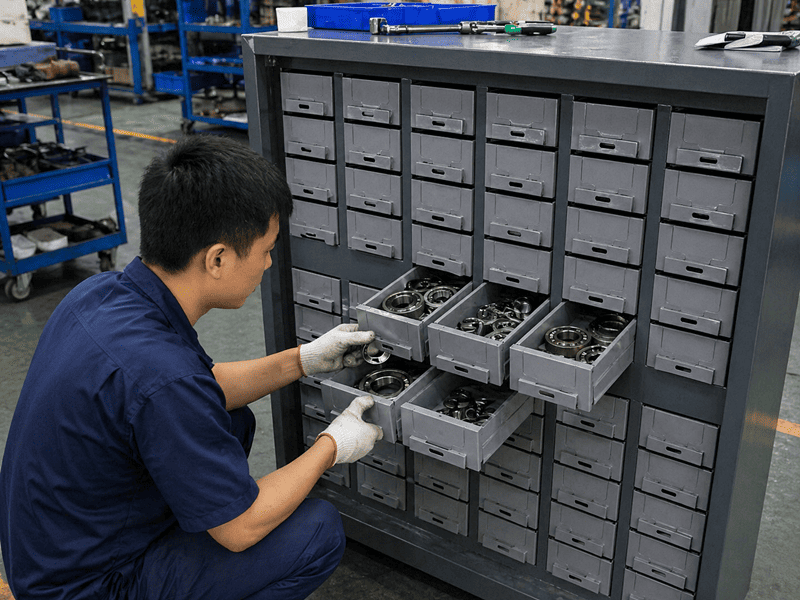
In my years of outfitting workshops, I've seen the difference the right equipment makes. A cheap storage solution might save you money today, but it will cost you much more in the long run through damage, downtime, and frustration. Let’s look at why steel is the only serious choice for heavy-duty parts. It’s about building a foundation of safety and efficiency for your daily work.
Why Do Weak Cabinets Fail Under Heavy Loads and Cause Costly Damage?
You trust your cabinet to protect valuable parts. But weak materials can't handle the pressure. This leads to bent shelves, jammed drawers, and even total collapse, creating expensive problems.
Weak cabinets, often made of thin plastic or light-gauge metal, deform under the constant weight of heavy parts. This structural failure can cause drawers to jam or collapse, leading to damaged inventory, workplace accidents, and expensive replacements.
I once visited a client whose team was dealing with the aftermath of a cheap cabinet failure. A multi-drawer plastic unit, filled with heavy steel fittings, had buckled overnight. The drawers cascaded onto the floor, mixing and damaging thousands of dollars worth of inventory. The real cost wasn't just the parts; it was the hours of cleanup and the halt in production. This happens because the materials simply aren't designed for industrial loads.
The Problem with Weak Materials
Plastic and thin metal are prone to material fatigue. Over time, the constant stress from heavy loads causes the material to stretch, crack, and lose its shape. This process is much faster in a busy workshop where temperatures change and impacts are common. A single overloaded drawer can start a chain reaction, putting extra stress on the frame and causing the entire unit to fail. You end up with a cabinet that is not just useless, but also a serious safety hazard.
The Real Cost of a Cabinet Failure
The financial impact of a failure goes far beyond the price of a new cabinet. Consider the true costs involved.
| Cost Factor | Description |
|---|---|
| Damaged Inventory | Parts can be dented, scratched, or broken when a cabinet collapses. |
| Labor for Cleanup | Your team has to stop their regular work to sort and clean the mess. |
| Production Downtime | Operations can grind to a halt while you find replacement parts and fix the storage issue. |
| Safety Risks | A falling cabinet can cause serious injury to your staff. |
| Replacement Costs | You have to buy a new cabinet, and this time, you'll likely choose a better one. |
Choosing a weak cabinet is a short-term saving that creates long-term expenses.
How Does a Steel Parts Cabinet Improve Efficiency and Organization in Daily Operations?
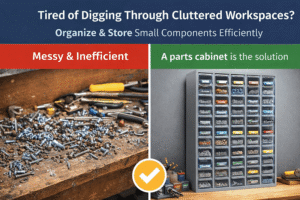
Searching for the right part wastes valuable time. A messy workspace slows down every job. A well-organized system keeps your workflow smooth and your team focused on their tasks.
A steel parts cabinet improves efficiency by using labeled drawers and dividers to create a specific home for every item. This systematic organization eliminates search time, reduces errors, and supports lean management standards like 5S for a cleaner, more productive workspace.
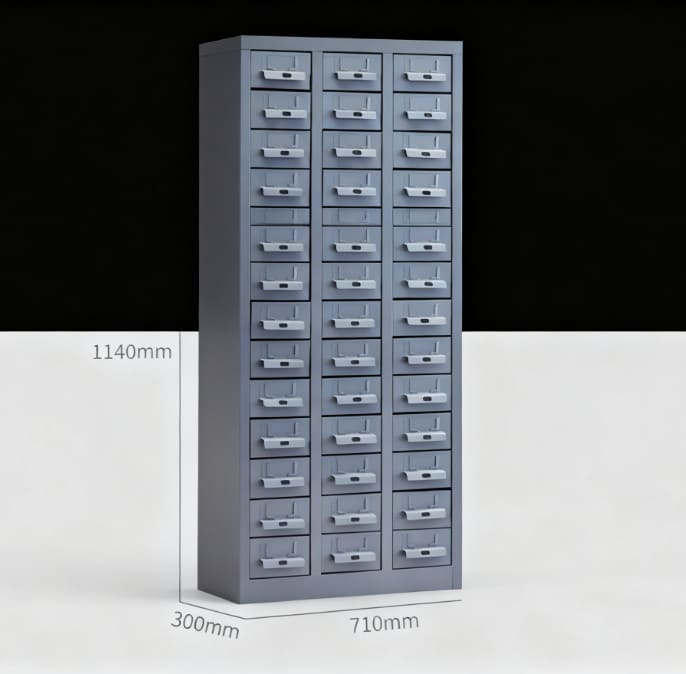
I've seen the transformation firsthand. A workshop that implements proper storage can dramatically cut down the time it takes to complete a task. When a technician knows exactly which drawer holds the M8 bolts they need, they don't waste ten minutes searching through mixed bins. That saved time adds up across the team, day after day. It’s a simple change that boosts productivity and reduces frustration for everyone involved.
A Place for Everything
The core principle of workshop efficiency is simple: a place for everything, and everything in its place. Steel parts cabinets are designed to make this a reality. The sturdy drawers can be fitted with customizable dividers, allowing you to create compartments perfectly sized for specific parts. This prevents small items from getting mixed up and makes it easy to see your inventory levels at a glance. When everything has a designated spot, your team can find what they need instantly and put it back just as quickly. This discipline is the foundation of an efficient operation.
Supporting 5S and Lean Manufacturing
Steel cabinets are a key tool for implementing 5S, a cornerstone of lean manufacturing.
| 5S Principle | How a Steel Cabinet Helps |
|---|---|
| Sort | Helps you separate necessary parts from unnecessary clutter. |
| Set in Order | Provides a logical, designated home for every single component. |
| Shine | Steel is easy to clean, keeping the work area tidy and professional. |
| Standardize | You can create a consistent labeling and organization system across all cabinets. |
| Sustain | The durable and easy-to-use system makes it simple for everyone to maintain order. |
By using steel cabinets, you aren't just storing parts. You are building a system that reinforces good work habits, reduces waste, and creates a safer, more organized environment.
What Makes Steel Parts Cabinets More Durable and Cost-Effective for Long-Term Industrial Use?
Buying cheap cabinets feels like you're saving money. But when you have to replace them every couple of years, the costs add up. Investing in durability from the start is the smarter choice.
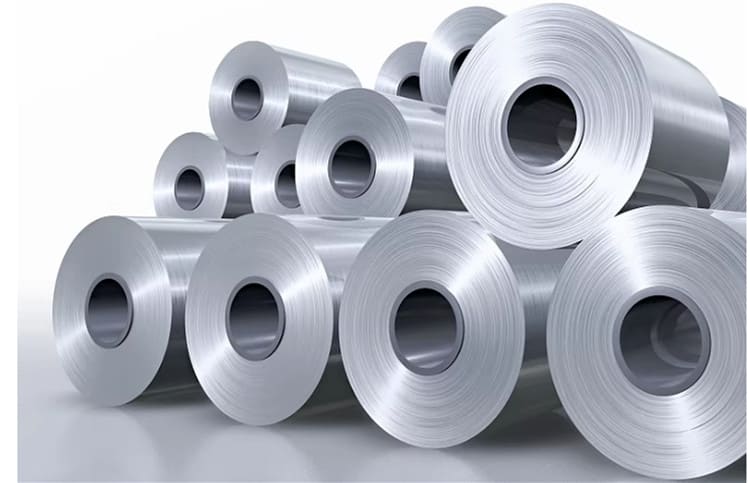
Steel's natural strength, resistance to impacts, and protective powder-coat finishes make these cabinets incredibly durable. This long lifespan means fewer replacements and repairs, giving them a lower total cost of ownership and making them a more cost-effective investment over time.
Think of it like buying work boots. You can buy a cheap pair that falls apart in six months, or you can invest in a quality pair that lasts for years. The initial cost is higher, but the long-term value is obvious. A steel parts cabinet is the same. It's an investment in equipment that is built to withstand the demands of an industrial environment day in and day out, saving you money and hassle for years to come.
Built for the Industrial Environment
Industrial workshops are tough on equipment. There are impacts from carts, spills from oils and chemicals, and constant heavy use. Steel cabinets are designed for this world. The heavy-gauge steel construction resists dents and damage. Most high-quality cabinets feature a powder-coated finish, which creates a hard, protective layer that is resistant to scratches, rust, and common workshop chemicals. The drawers are mounted on robust ball-bearing slides that continue to operate smoothly even when fully loaded. These features ensure the cabinet will not only survive but thrive in a demanding setting.
Calculating the Total Cost of Ownership
When you compare storage options, don't just look at the initial price tag. You need to consider the Total Cost of Ownership (TCO) over the expected life of the product. A steel cabinet wins this comparison every time.
| Cost Factor | Cheap Plastic Cabinet | Heavy-Duty Steel Cabinet |
|---|---|---|
| Initial Cost | $150 | $600 |
| Expected Lifespan | 2 Years | 15+ Years |
| Replacements over 15 years | 7-8 times | 0 times |
| Total Purchase Cost (15 yrs) | $1,200 | $600 |
| Cost of Downtime/Damage | High Risk | Low Risk |
As you can see, the cabinet that seemed cheaper at first actually ends up costing twice as much over the long term, and that's before you even factor in the costs of potential damage and lost productivity from failures.
Conclusion
For heavy-duty storage, steel parts cabinets are the clear winner. They provide the strength, organization, and long-term value that keep your workshop safe, efficient, and profitable.