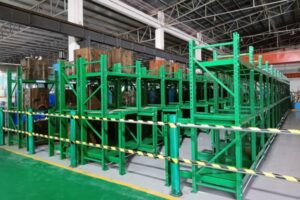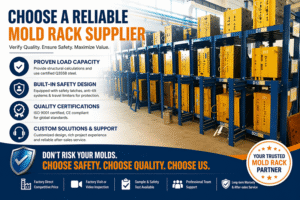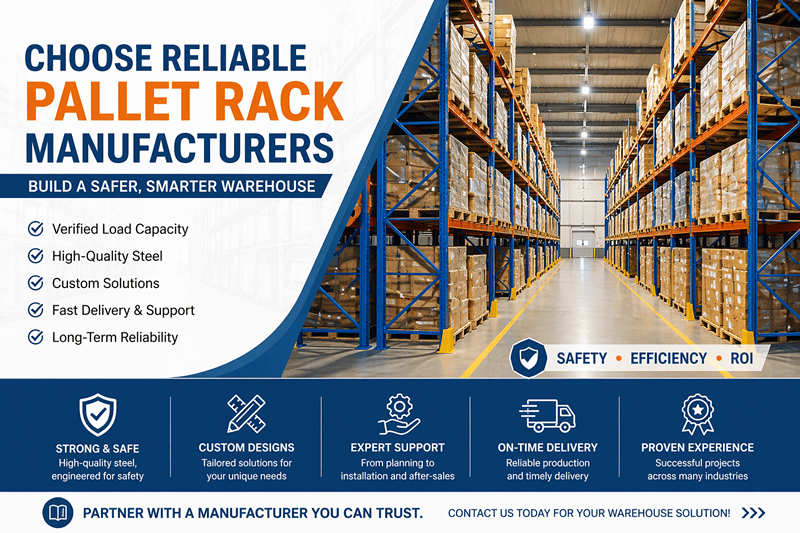
How to Choose Reliable Pallet Rack Manufacturers for Your Warehouse Project? Choosing the wrong pallet rack supplier can be a costly, dangerous mistake. This leads to project delays1, safety risks, and wasted money. You can avoid this by focusing on the right factors.
To choose a reliable pallet rack manufacturer, you must evaluate their product suitability, company strength, service responsiveness, and total cost-effectiveness. Prioritize suppliers with ISO 9001 certification2, in-house production3, verified load ratings4, and strong engineering support5 to ensure a safe and efficient warehouse system.
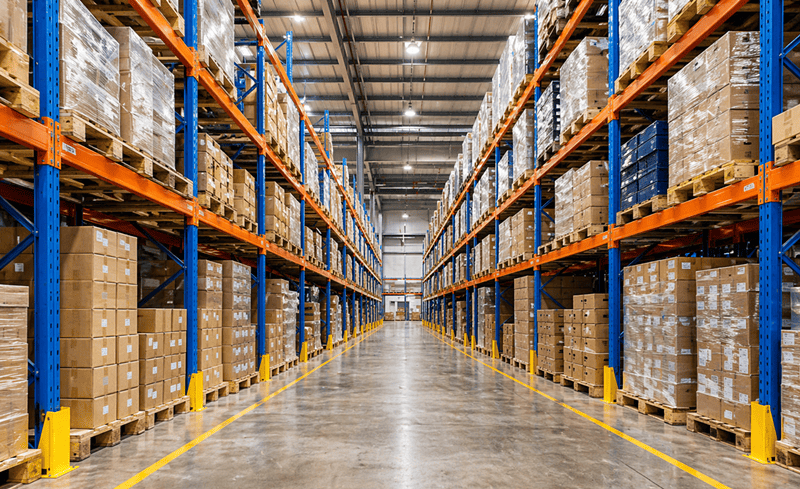
Choosing a supplier seems simple on the surface, but I've learned that the details matter most. It's not just about getting a quote and picking the lowest price. A bad decision here can have consequences that last for years, affecting everything from worker safety to your bottom line. To make the right choice, you need to dig deeper and understand what really separates a great partner from a risky one. Let's break down the biggest risks you need to watch out for first.
What Are the Biggest Risks When Choosing a Pallet Rack Manufacturer?
A low price from a manufacturer always seems attractive. But hidden issues like weak steel or false load ratings can lead to a catastrophic collapse. Knowing these risks is the first step.
The biggest risks include receiving racks made from weak steel, inaccurate load capacity ratings, unexpected project delays, and non-existent after-sales support6. These issues can compromise warehouse safety, disrupt operations, and lead to significant financial losses long after the initial purchase.
In my experience, the temptation to save money upfront is the biggest trap. A manufacturer can easily offer a low price by cutting corners where you can't see them. This creates serious problems down the line. It's important to understand these hidden dangers before you commit to a supplier.
Hidden Material and Support Failures
The most dangerous risk is poor product quality. Some suppliers use weaker, thinner steel to lower their costs, but they still claim high load capacities. This is a recipe for disaster. A rack failure can lead to destroyed inventory, operational shutdown, and, worst of all, serious injuries to your team. Equally frustrating is poor support. I've seen projects delayed for weeks because a supplier couldn't deliver on time. After installation, if a beam gets damaged by a forklift, you need a replacement fast. A good partner provides quick support, while a bad one leaves you on your own.
| Risk Factor | Consequence of a Poor Choice | What a Reliable Manufacturer Provides |
|---|---|---|
| Material Quality | Weak steel, potential collapse | Certified steel grades (e.g., Q235/Q345) |
| Load Ratings | Overstated capacity, safety hazard | Verified load capacity calculations & testing |
| Delivery | Project delays, operational downtime | Clear production schedules, on-time delivery |
| After-Sales | No support for damage or issues | Responsive support, warranty, spare parts |
What Key Factors Should You Evaluate Before Selecting a Pallet Rack Supplier?
You have a list of potential suppliers in front of you. But how do you compare them beyond just the price tag? Focusing on four key areas will give you a clear winner.
You should evaluate four key areas: Product Suitability (matches your needs), Company Strength (certifications, experience), Service & Support (from design to installation), and overall Cost-Effectiveness (total lifecycle cost7, not just unit price). This balanced approach ensures you get a solution that truly fits.
Once you know the risks, you can start evaluating suppliers properly. I always tell my clients to think of it as hiring a long-term partner, not just buying a product. A good supplier invests in your success. They ask the right questions and provide a solution that works for you, not just what's easiest for them to sell. This requires looking at their business from a few different angles.
Product, Company, and Service Evaluation
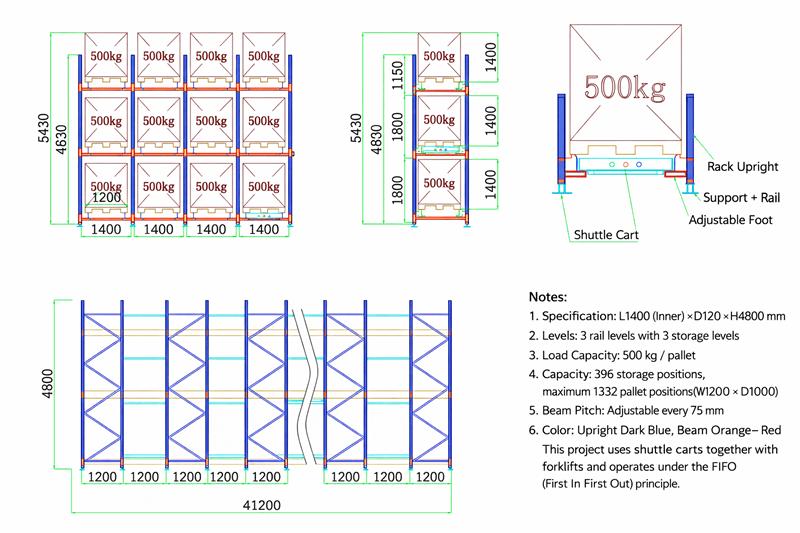
First, Product Suitability is critical. A standard pallet rack doesn't work for everyone. You might need drive-in racks for high-density storage or special low-temperature steel for a cold storage facility. A manufacturer's ability to provide the right type of racking, customized to your load and space, is a huge indicator of their expertise.
Second, look at Company Strength. Do they have ISO 9001 certification? Do they manufacture in-house or just outsource? A company with its own factory, a large engineering team, and a long history has proven its stability and commitment to quality.
Finally, consider Service and Cost. Great service means they help with everything from a site survey and 3D layout design8 to installation and training. Look for at least a 2-year warranty. And for cost, never focus on the unit price alone. Think about the total lifecycle cost7, including maintenance and efficiency gains. The cheapest rack often costs the most in the long run.
How Can You Verify a Pallet Rack Manufacturer’s Quality and Reliability?
A supplier's website and brochure always look professional. But promises are easy to make, and you need to know if they're real. You can verify their claims with a few practical steps.
Verify a manufacturer by requesting detailed proposals with 3D layouts, checking their project case studies9 in your industry, and asking for a factory visit10. Also, review the contract carefully for clear warranty terms11, response times, and liability clauses to ensure their promises are backed up.
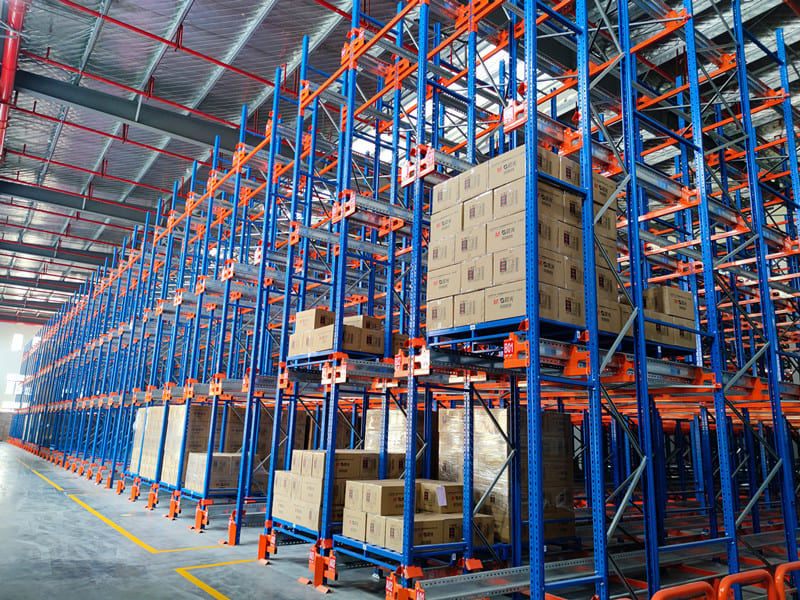
After you've narrowed down your list based on key factors, it's time to verify everything. This is where you separate the talkers from the doers. I've learned not to take anything at face value. A little bit of due diligence at this stage can save you from a massive headache later. It's about getting proof that they can deliver on what they've promised you.
Doing Your Homework and Seeing for Yourself
Start by doing your homework. Give potential suppliers your exact requirements: warehouse dimensions, product weights, forklift types, and future plans. Ask them for a proposal that includes a 3D layout. This tests their design capability and shows you how they plan to use your space. Next, ask for case studies9 from companies in your industry. If they have successfully completed projects for businesses like yours, it’s a great sign they understand your needs.
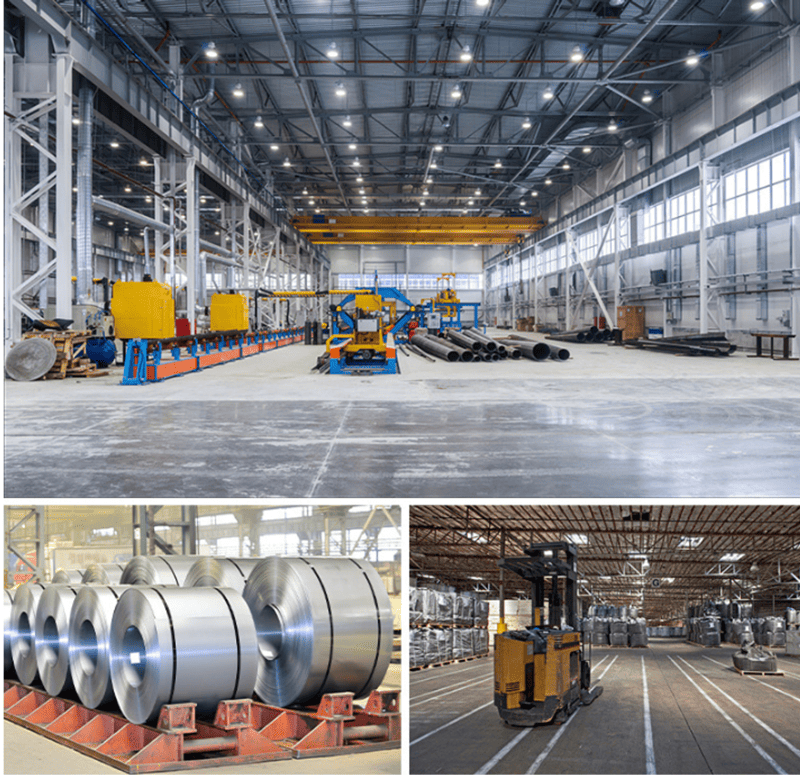
The ultimate verification step is a factory visit10. If they welcome a visit, it shows they are confident in their operations. You can see their manufacturing process, quality control, and team in action. Finally, read the contract carefully. Don't just skim it. Look for specifics on the warranty, their guaranteed response time for issues, and who is liable if something goes wrong. This document is your protection.
Conclusion
Choosing the right pallet rack manufacturer is a big decision. By focusing on suitability, strength, service, and verification, you build a safe, efficient, and reliable warehouse foundation for years to come.
Learn about common causes of project delays to avoid pitfalls in your warehouse setup. ↩
Learn about ISO 9001 certification to understand its significance in ensuring quality and reliability in manufacturing. ↩
Discover how in-house production can enhance quality control and reduce risks in your warehouse projects. ↩
Find resources that explain how to check load ratings to ensure safety and compliance in your warehouse. ↩
Understand the importance of engineering support in ensuring a safe and efficient warehouse setup. ↩
Discover the importance of after-sales support in maintaining safety and efficiency in your warehouse. ↩
Understand how total lifecycle cost can help you make informed decisions for long-term savings. ↩
Explore how 3D layout design can optimize your warehouse space and improve operational efficiency. ↩
Check out case studies to see real-world examples of successful pallet rack installations in your industry. ↩
Learn what to observe during a factory visit to ensure the manufacturer meets your quality standards. ↩
Understand warranty terms to protect your investment and ensure support for any future issues. ↩